

Your Lawn’s Biggest Weed Problem Starts in Winter (And How Overseeding Stops It)

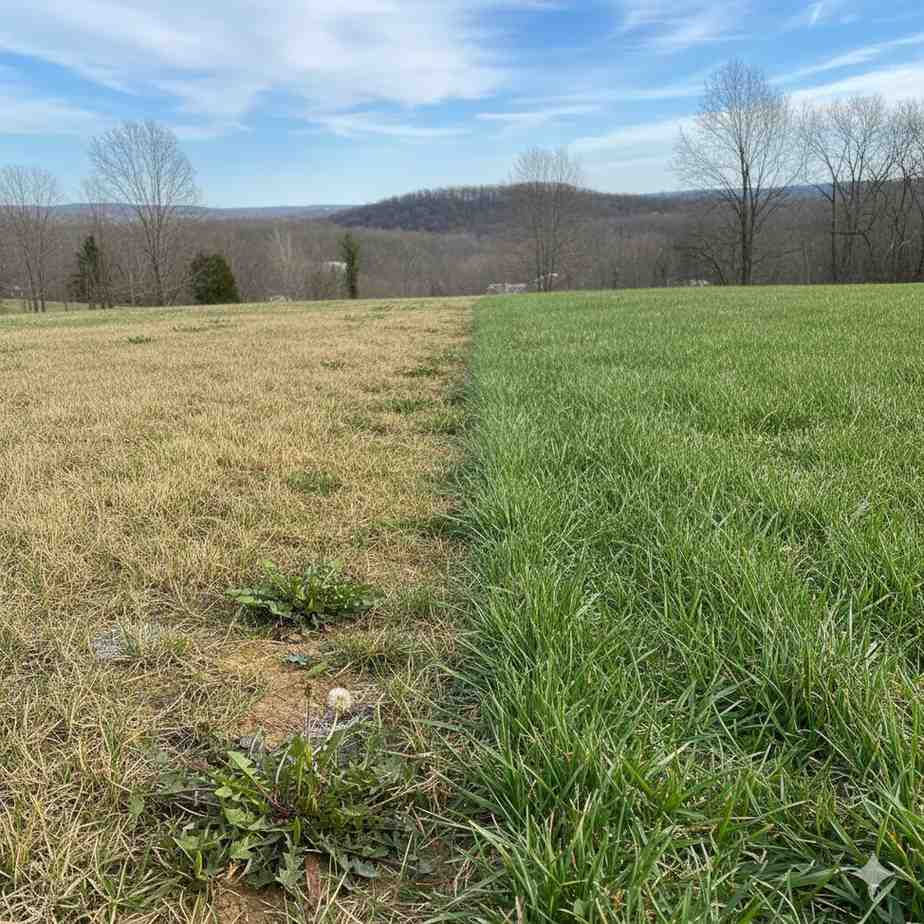
Most homeowners think weeds are a spring problem. But if weeds are popping up in spring, the real issue usually started months earlier.
Winter quietly weakens lawns. Grass goes dormant, thin spots appear, and soil becomes compacted. That combination gives weeds the opening they need. At MXG Lawn Care, we see it every year.
One of the most effective ways to stop this cycle in Bedford County and across Virginia is winter overseeding.
What Really Happens to Lawns During Winter
Even though your lawn looks inactive in winter, a lot is happening below the surface.
During winter:
Grass growth slows down
Bare and thin areas become more noticeable
Soil compaction increases
Weeds are prepared to take advantage of the open space
This is why relying only on winter weed control in Vinton isn’t always enough. If the grass itself is weak, weeds will keep finding room to grow.
How Winter Overseeding Creates a Natural Weed Barrier
Our process of winter overseeding in Thaxton, Virginia, involves spreading grass seed over a dormant lawn. The seed settles into the soil and waits. Once temperatures rise, it germinates quickly and fills in weak areas.
The result:
Thicker turf
Fewer bare spots
Less space for weeds to establish
Healthy grass competes better for sunlight, water, and nutrients. When grass wins that competition, weeds struggle to survive.
Why Overseeding Works Best with Root-Focused Winter Care
Overseeding is most effective when paired with services that support soil and root health. Here’s how they work together:
Winter aeration: By loosening compacted soil, winter aeration services allow grass seed to reach the soil and give roots room to grow deeper.
Winter lawn fertilization: When the grass slows down for the season, winter lawn fertilization provides the nutrients it still needs.
Deep root feeding: It strengthens the root system below the surface, leading to thicker spring growth.
Together, these services help overseeded grass establish faster and stronger.
The Role of Soil, Pests, and Irrigation
Weed issues don’t start above ground; they start in the soil.
Important winter services include:
Winter soil testing for lawns to identify nutrient or pH issues
Winter pest control for turf to protect roots from overwintering insects
Winter irrigation maintenance to prevent freeze damage and prepare for spring growth
Each of these steps supports overseeding and helps grass outcompete weeds naturally.
What Homeowners Notice in Spring
Lawns in Thaxton, Virginia, that receive winter overseeding, deep root feeding, and proper care typically see:
Faster green-up
Thicker, more even turf
Fewer weeds early in the season
Less need for aggressive weed treatments
Instead of reacting to problems, the lawn is already healthy and stable.
Winter Overseeding vs. Waiting Until Spring
Winter Overseeding | Waiting Until Spring |
Grass establishes early | Weeds establish first |
Thicker turf by spring | The thin lawn needs repairs |
Natural weed prevention | Reactive weed control |
Less chemical use | More treatments needed |
Why Winter Is the Right Time to Act
Lawns that receive winter overseeding, fertilization, aeration, and soil care are easier to manage and look better all season long.
If your goal is a thicker lawn with fewer weeds, winter is when that foundation is built.
Schedule winter lawn care with MXG Lawn Care and give your lawn a stronger start to spring.


Comments